
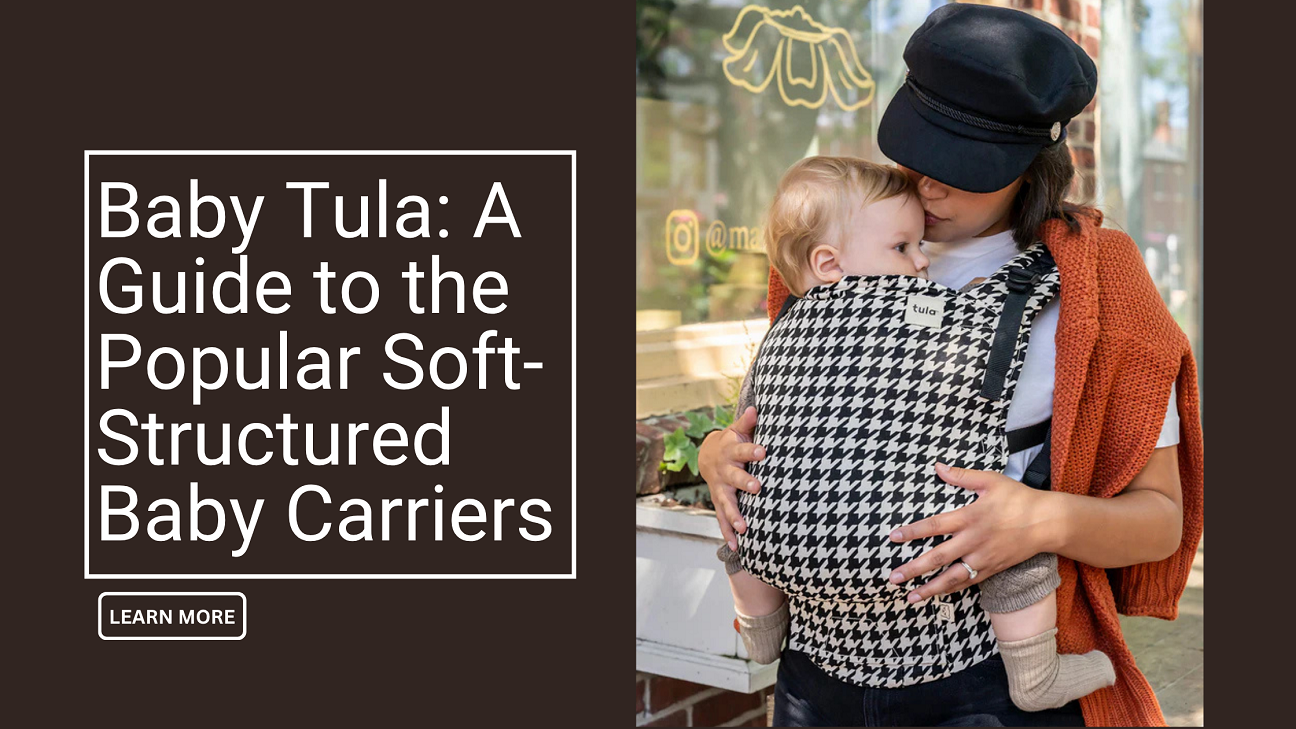
If you have searched for Baby Tula, you are probably looking for clear information about the brand, its main carrier styles, how they differ, and which options may work from newborn through toddler years. This guide covers the essentials so you can understand the lineup and make a more informed choice.
Baby Tula (often simply called Tula) is a well-known maker of ergonomic soft-structured baby carriers, ring slings, and related accessories. The brand is recognized for supportive designs, a wide variety of prints and fabrics, and carriers intended to grow with a child. Its official website is https://babytula.com/.
Brand Overview
Baby Tula specializes in soft-structured carriers (also called buckle carriers) that use padded waistbands, adjustable shoulder straps, and fabric panels to create an ergonomic “M” position for the baby’s hips and a supported posture for the caregiver. Many models are designed to accommodate a range of sizes without requiring a separate infant insert. The brand also offers ring slings, half-buckle styles, compact travel options, and matching accessories such as blankets.
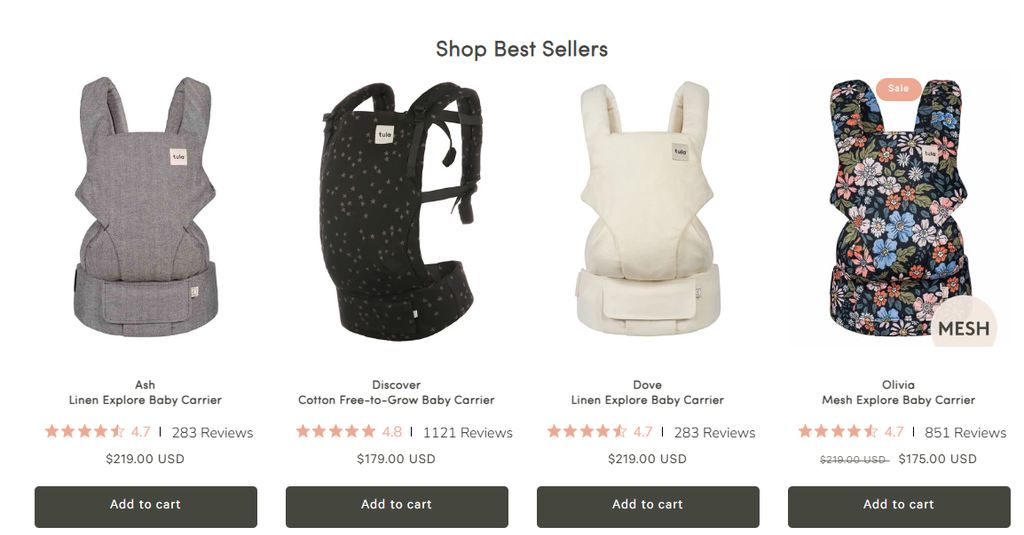
Carriers are available in different fabrics, including cotton, linen, mesh (Coast), and various blends. The company emphasizes hip-healthy positioning and provides adjustable features so caregivers can customize the fit as the child grows.
Main Soft-Structured Carrier Styles
Free-to-Grow
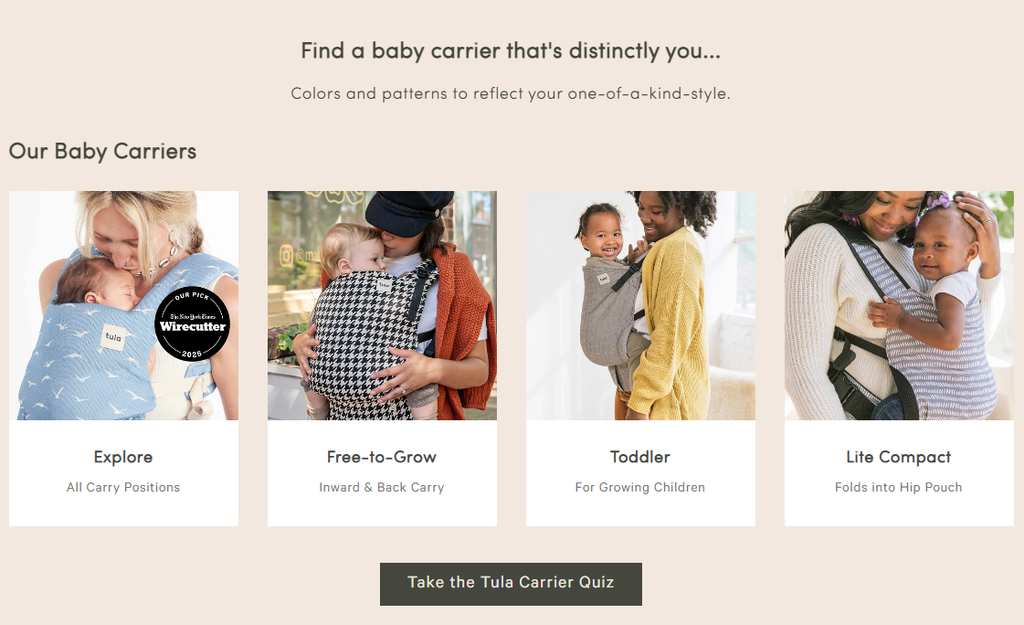
The Free-to-Grow is an adjustable carrier intended for use from approximately 7 pounds up to 45 pounds. It features width and height settings that allow a customized panel size. Positions include front inward-facing and back carry (when the child is developmentally ready). It does not include a forward-facing option. Many parents choose it as a straightforward, no-insert option that works from the newborn stage through early toddlerhood.
Explore
The Explore builds on the adjustable design of the Free-to-Grow and adds a forward-facing (world-facing) position once the baby has sufficient head and neck control. Weight range is also listed from about 7 to 45 pounds. It includes features such as adjustable panel settings, a head-support pillow option, and lumbar support on updated versions. This model is often selected by caregivers who want the flexibility of three positions in one carrier.
Standard and Toddler
The Standard carrier is a fixed-panel style typically used from roughly 15 pounds (or earlier with a separate infant insert) up to 45 pounds. The Toddler carrier is larger, designed for children starting around 25 pounds and going higher (up to about 60 pounds depending on the specific model). These options suit families who already have a preferred size range or who need more support for bigger kids.
Other Options
- Lite: A more compact, packable carrier that folds into its own waistband pouch. Suitable for travel and shorter carries.
- Coast: Mesh versions of several styles that provide extra breathability for warmer weather or active use.
- Half Buckle: Combines a structured waistband with fabric tie shoulder straps for a hybrid feel.
- Ring Sling: A single piece of woven fabric with rings that allows quick front, hip, or back carries and is often favored for newborns and toddlers.
Exact weight ranges, height recommendations, and developmental readiness guidelines appear on individual product pages and should always be checked against the current manufacturer instructions.
Choosing the Right Carrier
Consider these practical factors:
- Newborn stage: Free-to-Grow or Explore (with proper adjustment) or a ring sling are common starting points because they do not require a separate insert.
- Desire for forward-facing: Explore is the primary soft-structured option that includes this position.
- Longer-term use or larger children: Toddler or Preschool-sized carriers provide more panel height and width.
- Climate and activity: Coast mesh styles or the Lite may feel cooler or more portable.
- Caregiver comfort: Look at waistband support, strap adjustability, and lumbar features. Trying the carrier on (when possible) or reviewing detailed fit videos helps.
Proper fit is essential for both safety and comfort. The baby’s knees should be higher than the bottom, the panel should support the back and neck appropriately, and the caregiver should distribute weight evenly across the hips and shoulders.
Safety and Best Practices
Babywearing carries benefits when done correctly, but it also requires attention to positioning, weight limits, and the child’s developmental stage. Key points include:
- Always follow the manufacturer’s current weight ranges, age or developmental guidelines, and instructional videos.
- Ensure the baby’s airway remains open and visible.
- Check that the carrier supports a healthy hip position.
- Stop use and reassess if the child or caregiver shows signs of discomfort.
- For any medical concerns (premature babies, hip dysplasia history, or other conditions), consult a pediatrician or qualified babywearing educator before use.
The International Hip Dysplasia Institute has acknowledged certain Tula models as hip-healthy when used according to instructions; always verify the latest status for the specific product.
Where to Buy and Additional Resources
The primary source for current models, prints, sizing information, and instructional content is the official website https://babytula.com/. The site offers a carrier quiz, detailed product pages, care instructions, and support resources. Authorized retailers may also carry the brand.
Before purchasing, review the return policy, warranty details, and any fabric-care requirements. Watching official how-to videos for the specific model helps ensure correct use from the start.
Frequently Asked Questions
What is the main difference between Free-to-Grow and Explore?
Both are adjustable from about 7 to 45 pounds without an insert. The Explore adds a forward-facing position once the baby is developmentally ready; the Free-to-Grow is limited to inward-facing front and back carries.
Do I need an infant insert for Tula carriers?
Free-to-Grow and Explore are designed for use from the stated minimum weight without an insert when properly adjusted. The Standard carrier typically requires an insert for smaller babies.
When can a baby face forward in a Tula Explore?
Only after the baby has strong head and neck control and meets the weight and developmental guidelines listed by the manufacturer (commonly around 13–22 pounds, but always confirm current instructions).
Are Tula carriers suitable for back carries?
Yes, on models that include the position, once the child is developmentally ready and meets the size requirements. Practice with a spotter is recommended at first.
Where can I find official instructions?
On the official website https://babytula.com/ under the specific product or in the help/support section. Instructional videos are also provided.
Summary
Baby Tula offers a range of soft-structured carriers and related products designed to support ergonomic babywearing from the early months through toddlerhood. The Free-to-Grow provides adjustable simplicity for inward and back carries, while the Explore adds a forward-facing option. Additional styles such as the Lite, Coast mesh versions, Toddler carriers, and ring slings expand the choices for different needs and climates.
The most important steps are selecting a model that matches your child’s size and developmental stage, learning proper fit through official resources, and prioritizing safety. For current models, prints, detailed specifications, and instructional materials, visit the official site https://babytula.com/.




Leave feedback about this