
Meta Description:
Discover the best blinds for windows, including roller blinds, Venetian blinds, Roman shades, and custom blinds. Learn styles, benefits, costs, and buying tips.
Windows play a major role in the look, comfort, and privacy of any home. Whether you’re renovating, moving into a new house, or simply updating a room, choosing the right blinds can transform your space instantly.
From modern roller blinds and elegant Roman shades to practical Venetian blinds and energy-efficient cellular shades, today’s market offers countless options for every budget and design preference. But with so many choices available, how do you know which window covering is right for your home?
In this complete guide, we’ll explore the different types of blinds, their benefits, how to choose the perfect style, and what to consider before buying.
What Are Blinds?
Blinds are window coverings made from slats, fabric, wood, faux wood, or other materials that help control light, privacy, and insulation. They are available in various styles, colors, and operating systems, including cordless and motorized options.
Modern window blinds, window shades, and window coverings have evolved beyond simple functionality. Today, they serve as important interior design elements that enhance the appearance and value of a home.
Types of Blinds and Shades
Choosing the right blind starts with understanding the available options.
Roller Blinds
Roller blinds are among the most popular window treatments due to their clean, minimalist design.
Benefits:
- Easy to operate
- Affordable pricing
- Suitable for modern interiors
- Available in blackout and light-filtering fabrics
- Excellent for bedrooms and living rooms
Blackout roller blinds are particularly useful for people who need complete darkness for sleeping.
Venetian Blinds
Venetian blinds feature horizontal slats that can be tilted to control light and privacy.
Advantages:
- Precise light control
- Timeless appearance
- Available in aluminum, wood, and faux wood
- Durable and easy to clean
Wooden Venetian blinds remain a favorite choice for homeowners seeking a warm and sophisticated look.
Roman Shades and Roman Blinds
Roman shades combine the elegance of curtains with the functionality of blinds.
Why Homeowners Love Roman Shades:
- Luxurious appearance
- Wide variety of fabrics
- Soft folds create visual interest
- Perfect for bedrooms, dining rooms, and formal spaces
Custom Roman shades allow homeowners to match specific décor themes and color palettes.
Cellular Shades (Honeycomb Blinds)
Cellular shades, also known as honeycomb blinds, feature unique air pockets that improve insulation.
Key Benefits:
- Energy efficiency
- Noise reduction
- Improved temperature control
- Modern appearance
They are ideal for both hot and cold climates.
Vertical Blinds
Vertical blinds are commonly used for:
- Sliding glass doors
- Patio doors
- Large windows
- Office spaces
They provide excellent light control and are easy to maintain.
Wooden and Faux Wood Blinds
Wooden Blinds
Natural wood blinds offer:
- Premium appearance
- Excellent durability
- Classic styling
Faux Wood Blinds
Faux wood blinds provide:
- Moisture resistance
- Lower cost
- Similar appearance to real wood
- Ideal for kitchens and bathrooms
Bamboo Shades and Woven Wood Shades
For homeowners seeking eco-friendly options, bamboo shades and woven wood shades provide natural texture and warmth.
These styles work particularly well in:
- Coastal homes
- Bohemian interiors
- Contemporary spaces
- Sunrooms
Benefits of Installing Quality Blinds
1. Enhanced Privacy
One of the primary reasons homeowners install blinds is privacy control. Adjustable slats and fabrics allow you to maintain privacy without completely blocking natural light.
2. Better Light Management
Different rooms require different levels of light control. Blinds allow you to:
- Reduce glare
- Protect furniture from UV damage
- Create comfortable indoor environments
3. Improved Energy Efficiency
Window treatments can significantly reduce heat transfer through windows.
Options like:
- Cellular shades
- Thermal blinds
- Blackout shades
help lower energy bills year-round.
4. Increased Home Value
Custom window coverings create a polished, finished appearance that can increase the appeal and perceived value of your property.
5. Child and Pet Safety
Modern cordless blinds eliminate dangerous hanging cords, making them safer for families with children and pets.
Motorized and Smart Blinds
Technology has transformed the window treatment industry.
What Are Motorized Blinds?
Motorized blinds and electric blinds operate using:
- Remote controls
- Smartphone apps
- Voice assistants
- Automated schedules
Popular smart options include:
- Hunter Douglas blinds
- Lutron shades
- Somfy blinds
- Motorized roller shades
- Automatic blinds for windows
Benefits of Smart Blinds
Convenience
Open and close blinds with a button or voice command.
Energy Savings
Schedule blinds to block heat during peak sunlight hours.
Enhanced Security
Automated movement creates the appearance of occupancy while you’re away.
How to Choose the Best Blinds for Your Home
Consider the Room
Bedroom
Best choices:
- Blackout blinds
- Blackout shades
- Cellular shades
- Blackout Roman shades
Kitchen
Best choices:
- Faux wood blinds
- Roller blinds
- Moisture-resistant shades
Bathroom
Best choices:
- Vinyl blinds
- Faux wood blinds
- Waterproof roller blinds
Living Room
Best choices:
- Roman shades
- Wooden blinds
- Motorized shades
Custom Blinds vs Ready-Made Blinds
Ready-Made Blinds
Pros:
- Lower cost
- Fast installation
- Widely available
Cons:
- Limited sizing options
- Less precise fit
Custom Blinds
Pros:
- Perfect fit
- Greater style selection
- Better overall appearance
- Increased home value
Cons:
- Higher initial investment
- Longer lead times
For unique window sizes, made to measure blinds are usually the best solution.
Blinds vs Shades: What’s the Difference?
| Feature | Blinds | Shades |
|---|---|---|
| Structure | Slats | Continuous fabric |
| Light Control | Excellent | Good |
| Privacy | Excellent | Excellent |
| Style Variety | High | High |
| Energy Efficiency | Moderate | High (Cellular Shades) |
| Maintenance | Easy | Moderate |
Both options work well, and many homeowners combine blinds and shades throughout their homes.
Popular Blind Materials
Wood
Elegant and timeless.
Faux Wood
Affordable and moisture-resistant.
Aluminum
Durable and budget-friendly.
Fabric
Soft and decorative.
Bamboo
Natural and eco-friendly.
Vinyl
Practical and low maintenance.
Step-by-Step Guide to Buying Blinds Online
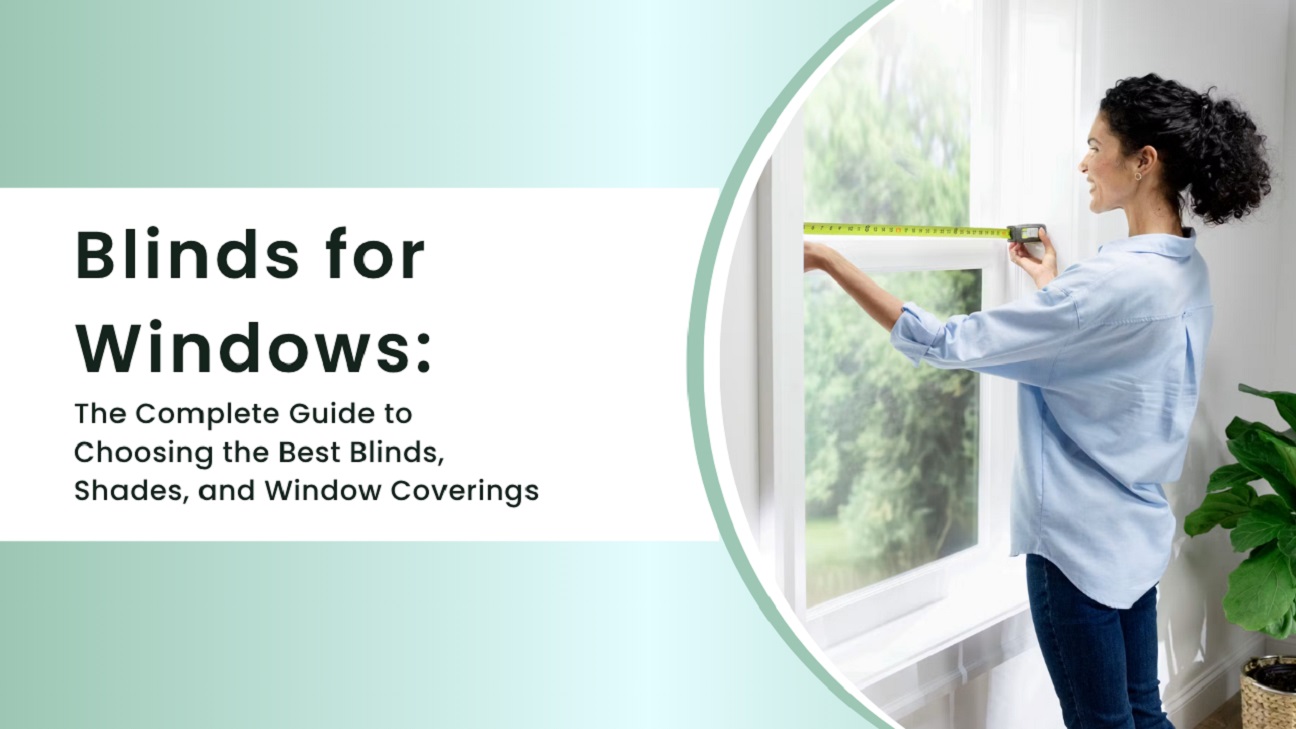
Step 1: Measure Your Windows
Accurate measurements are essential for proper fit.
Step 2: Choose Mount Type
- Inside mount
- Outside mount
Step 3: Select Material
Consider moisture, durability, and aesthetics.
Step 4: Pick Light Control Level
Choose between:
- Sheer
- Light filtering
- Room darkening
- Blackout
Step 5: Consider Automation
Decide whether motorized or manual operation best fits your lifestyle.
Step 6: Order Samples
Review colors and materials before making a final purchase.
Step 7: Install and Enjoy
Many modern blinds are designed for easy DIY installation.
Current Trends in Window Treatments
Popular trends include:
- Motorized window shades
- Top down bottom up shades
- Zebra shades
- Natural woven shades
- Minimalist roller blinds
- Blackout cellular shades
- Smart home integration
- Sustainable materials
These styles balance functionality with contemporary design.
Frequently Asked Questions (FAQs)
1. What are the best blinds for windows?
The best blinds depend on your needs. Roller blinds, Venetian blinds, Roman shades, and cellular shades are among the most popular choices.
2. Are blackout blinds worth it?
Yes. Blackout blinds improve sleep quality, increase privacy, and help reduce heat gain and energy costs.
3. Which blinds are easiest to clean?
Faux wood blinds, aluminum blinds, and vinyl blinds are generally the easiest to maintain.
4. Are motorized blinds expensive?
Motorized blinds cost more initially but offer convenience, energy savings, and smart-home compatibility.
5. What is the difference between blinds and shades?
Blinds use adjustable slats, while shades use a continuous piece of fabric that raises and lowers.
6. Do cellular shades save energy?
Yes. Their honeycomb design traps air and provides excellent insulation.
7. Should I choose custom blinds or ready-made blinds?
Custom blinds provide a better fit and more design options, while ready-made blinds are generally more affordable.
Conclusion
Choosing the right blinds for windows can dramatically improve your home’s comfort, appearance, privacy, and energy efficiency. Whether you prefer sleek roller blinds, timeless Venetian blinds, elegant Roman shades, or innovative motorized blinds, there is a solution for every room and budget.
Focus on your specific needs—light control, privacy, insulation, style, and convenience—and invest in high-quality window coverings that complement your home’s design. With the right choice, blinds become more than just window treatments; they become an essential part of a beautiful and functional living space.



Leave feedback about this